
Understanding how important it really is to bring ingredients to room temperature will help your baking game immensely! Skipping this important step will not allow your baked goods to reach their full potential. In other words, they might not taste and look as great as they could.
Understanding Room Temperature Ingredients

Most Common Room Temperature Ingredients
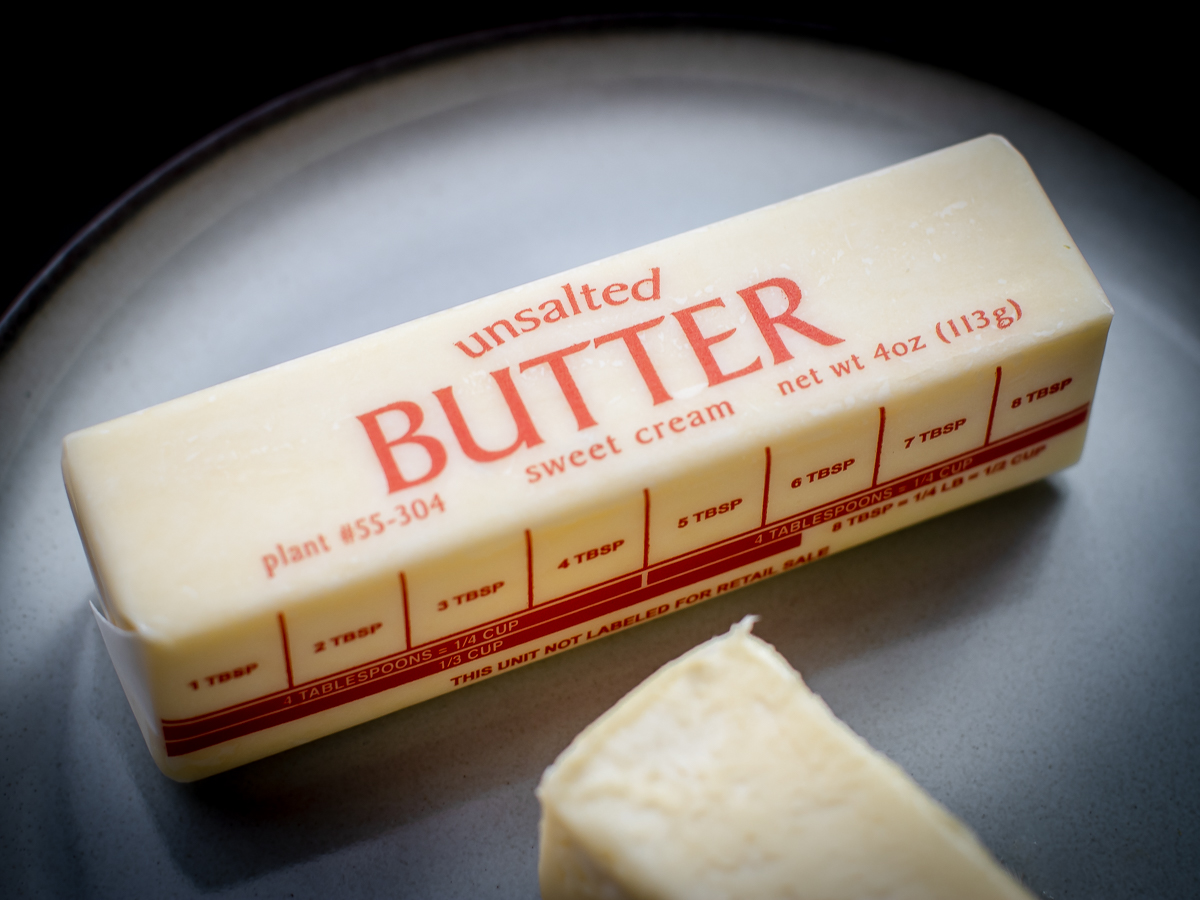
Ingredients at room temperature mix more thoroughly and easily, avoiding lumps. For instance, room temperature butter blends smoothly into batter without leaving chunks, which can affect the texture and baking of the dough or batter. The temperature of your butter is key to locking in the right amount of air too!
Smooth batters create uniform textures in the final baked good.
Butter and Sugar: When creamed together at room temperature, the sugar dissolves better and the butter traps air very well. This trapped air expands during baking, giving cakes and cookies a lighter, fluffier texture. It also creates light, fluffy, creamy, smooth frostings.
Eggs: They can emulsify into batter more effectively, meaning they distribute fat and liquids throughout the batter better at room temp. Eggs can also achieve more volume when whipped at warmer temperatures. Cold eggs might not whip as well and can cause the batter to look curdled, affecting the final texture.
Milk and Other Liquids: Room temperature liquids blend seamlessly with other ingredients in the batter. Since butter can solidify when cold liquids are added and eggs can start to cook in high temp liquids, the temperature of your liquids is important.
Would you like to save this recipe?
Cream Cheese and Other Soft Cheeses: Especially important for cheesecakes and frostings, room temperature cream cheese ensures the smoothest texture. Cold cream cheese will make your frostings lumpy – I’ve been there and failed at that before!
Improved Emulsification
Emulsification is the process of combining two liquids that normally don’t play nice together, like oil and water for example, into a stable mixture.
When whisking together cake ingredients like eggs and oil you’re relying on emulsifiers to help stabilize these mixtures. Emulsifiers have a unique molecular property where they bond to oils/fats on one end (lipophilic) and water on the other (hydrophilic). This reduces the tension between the differing substances and allows them to get along!
Think of emulsifiers as a parent (mom or dad) and the opposing liquids are like siblings that fight and don’t get along. When the even-tempered parent is introduced to the batter, everyone can at least tolerate each other!
When emulsifiers aren’t the right temperature (mom or dad is upset), they don’t do a great job of helping everyone get along and can cause more harm than good.
Optimal Chemical Reactions
Certain chemical reactions, like the activation of leavening agents, occur best at specific temperatures. Room temperature ingredients ensure these reactions proceed as expected, contributing to proper rise and texture of your baked goods.
For yeast doughs, room temperature ensures that yeast remains active and effective.
What happens when you don’t bring ingredients to room temperature?
Ingredients Too Cold:
- If too cold, butter won’t cream properly with sugar, which can lead to less air being trapped. The result is often denser, flatter cakes or cookies.
- Cold eggs aren’t as good at incorporating air and do not emulsify well with fats, resulting in uneven textures, hardening or curdling your batter!
- Cold dairy products can solidify fats in the batter, leading to heavy or dense baked goods rather than light and airy ones.
- Cold ingredients slow down or deactivate yeast, making a difficult dough rise.
Ingredients Too Warm:
- Butter that is too soft or melted fails to hold air when creamed with sugar. This leads to greasy and dense cakes or cookies that spread too much.
- Overly warm eggs can start cooking prematurely when mixed with other ingredients, especially with sugar, leading to grainy and “off” textures.
- Yeast can die if placed in a liquid temperature above 130°F/54°C.
Baker’s Tip: If a recipe component calls for one room temperature ingredient, it’s best to bring all ingredients for that component to room temperature unless stated otherwise.
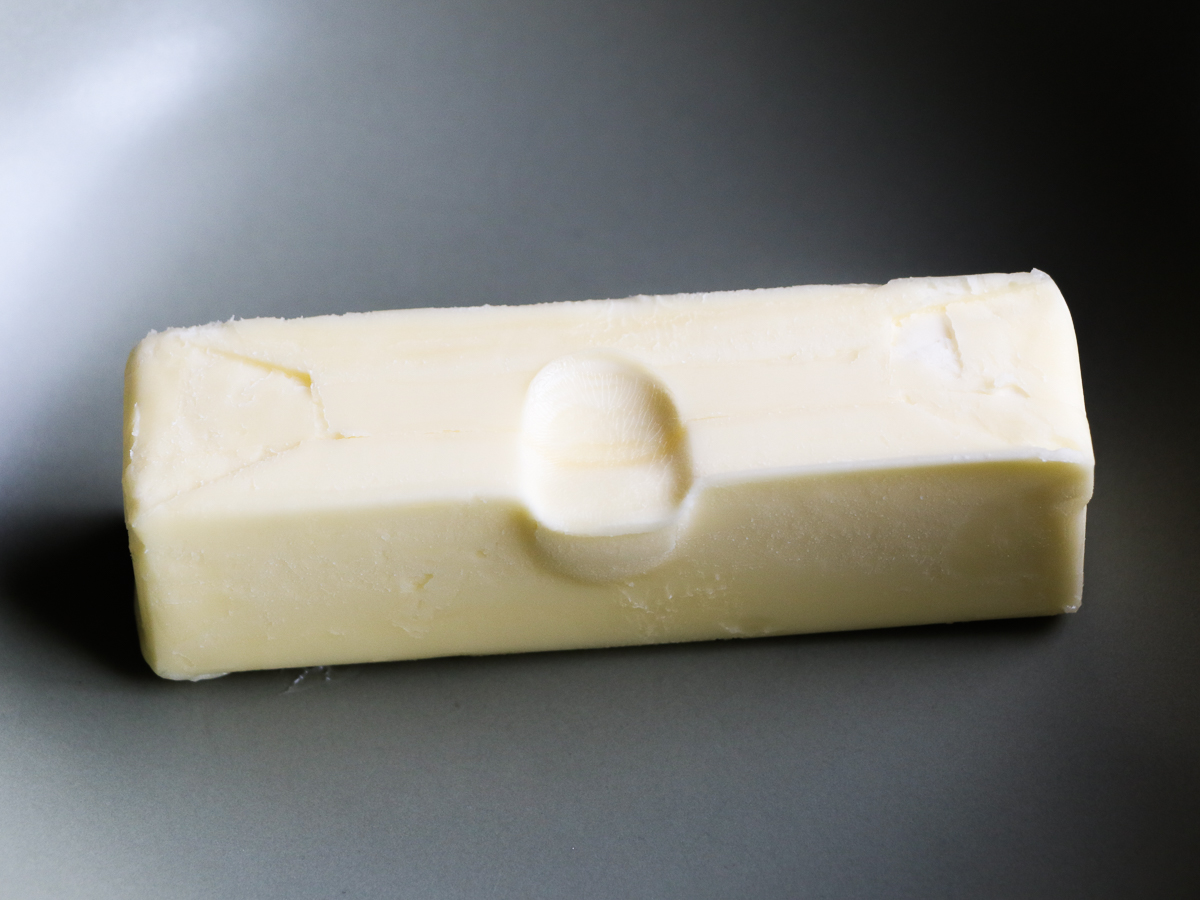
What is the proper “room temperature”?
For baking, aim for anywhere between 65°F and 68°F or 18°C and 20°C. Remember that the friction caused by mixing will generate heat and raise the temperature of butter slightly.
How To Bring Ingredients to Room Temperature Quickly
Butter: Cut into small pieces and let it sit out for about 15 to 30 minutes. The smaller the pieces, the faster they warm up.
Eggs: Place in a bowl of warm (not hot) water for about 10 minutes to gently bring them to room temperature.
Milk and other dairy: Microwave on a low power setting in short intervals, stirring in between, or let sit out for 30 minutes before use.
The right temperature of ingredients is key to creating a uniform texture in your batters, doughs, and frostings and ensures all the right chemical reactions happen properly in your oven! …Now is your oven calibrated correctly?!



Leave a Reply